The Rise of Electric Trucks: What Drivers Need to Know About the Future of Freight
July 03, 2025
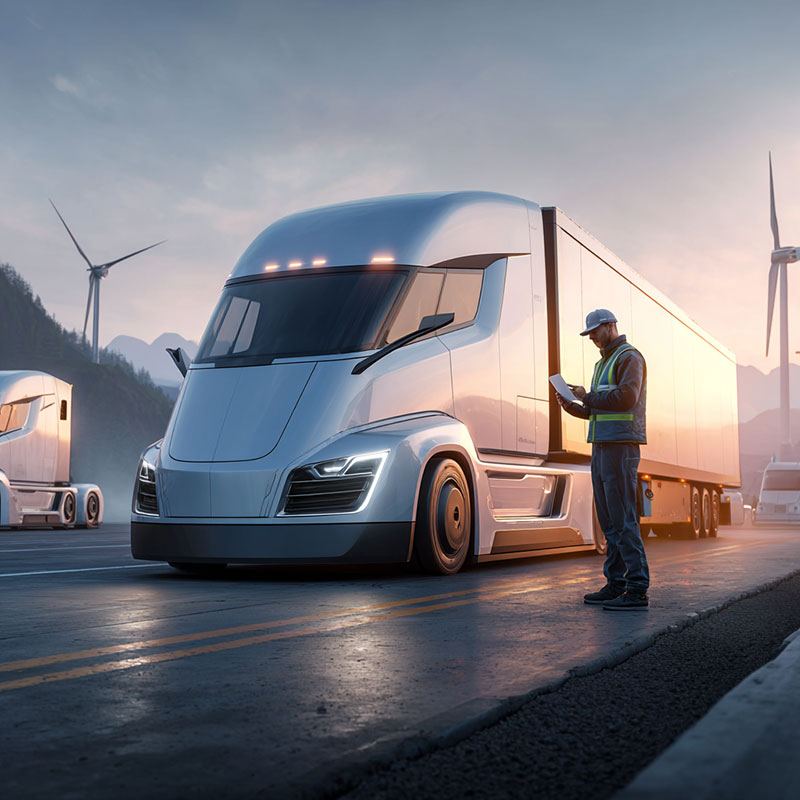
Electric trucks are reshaping how goods move across the country. From zero-emission benefits to new driving technologies, freight drivers face an exciting shift in operations and careers. This guide breaks down what you need to know about electric trucks, their impact on logistics, and how to stay ahead in a fast-evolving industry.
As environmental regulations tighten and fuel prices remain volatile, the transportation sector is rapidly adopting electric vehicles (EVs), and commercial trucks are no exception. Industry giants like Tesla, Volvo, and Freightliner are leading the charge, releasing electric truck models built for everything from last-mile delivery to long-haul freight.
But what does this transformation mean for professional drivers? Whether you’re an independent owner-operator or part of a large fleet, understanding how electric trucks work, what challenges they present, and where the opportunities lie is essential to staying competitive. This guide aims to provide clear, actionable insights so drivers can confidently navigate the electric freight future.
Why Are Electric Trucks Gaining Momentum?
Electric trucks are no longer a futuristic concept ¾ they’re becoming a practical solution for the freight industry. A combination of regulatory pressure, long-term cost benefits, and corporate sustainability commitments is rapidly accelerating their adoption.
Climate Regulations and Government Incentives
Government policy is one of the strongest forces behind the rise of electric trucks. Both federal and state agencies are enforcing stricter emission standards and offering financial support for cleaner technology.
Agencies like the EPA and California’s CARB (California Air Resources Board) are requiring manufacturers and fleet operators to cut emissions. CARB’s Advanced Clean Trucks rule mandates that a growing percentage of new truck sales be electric starting in 2024, with ambitious targets through 2035.
The Inflation Reduction Act also plays a key role, offering commercial vehicle tax credits of up to $40,000 per electric truck. Combined with state rebates and grants, these incentives make it far more affordable for companies to transition.
These policies reduce the financial risk for fleet owners and make EV adoption a more attractive option than ever before.
Cost Savings Over Time
Despite higher upfront costs, electric trucks often offer a lower total cost of ownership (TCO) over their lifespan.
- Maintenance savings: Electric drivetrains have fewer moving parts than diesel engines, leading to reduced wear and fewer repairs.
- Fuel savings: Electricity is more stable and often cheaper than diesel, reducing per-mile operating costs by up to 50% in some regions.
- Incentives: Local and federal programs offer financial relief in the form of tax breaks, grants, and infrastructure funding.
These savings compound over time, helping fleets and independent drivers recoup their initial investment while reducing operational expenses.
Corporate Sustainability Goals
Sustainability is no longer optional for large companies. Electric trucks support broader efforts to decarbonize supply chains and meet environmental performance benchmarks.
Leading companies like Amazon, UPS, and PepsiCo are already deploying electric freight vehicles to reduce emissions, cut noise pollution, and align with their ESG (Environmental, Social, and Governance) strategies.
Incorporating electric vehicles helps companies meet internal climate goals, satisfy regulatory requirements, and maintain a competitive edge in an eco-conscious market.
As more major players embrace electric freight, smaller operators will be expected to follow, creating new opportunities for trained drivers to step into a greener logistics future.
Challenges Drivers Should Be Aware Of
While electric trucks bring significant advantages, they also introduce new challenges that drivers and fleet operators must be prepared for. Understanding these limitations is essential for a smooth transition and effective planning.
Limited Charging Infrastructure
One of the biggest hurdles for electric truck adoption is the lack of widespread, high-capacity charging infrastructure.
Most charging stations across the U.S. are designed for passenger electric vehicles, not large commercial trucks. This makes it difficult for long-haul drivers to find suitable, accessible charging points along freight corridors.
Last-mile delivery trucks operating in urban areas tend to have better charging access and can return to a central depot more easily. In contrast, long-haul routes require more planning, especially for overnight stops or rural deliveries where charging infrastructure is limited.
As of now, high-speed commercial chargers are still being built out, and coverage varies significantly by region. Planning routes around available chargers is crucial for maintaining schedules and avoiding downtime.
Range Anxiety and Load Impact
Electric truck range varies widely based on the model, battery capacity, and driving conditions. Most current models offer between 150 and 500 miles on a full charge.
However, real-world range is affected by several key factors:
- Payload weight: Heavier cargo reduces efficiency.
- Terrain: Hilly or mountainous routes require more energy.
- Weather: Extreme cold or heat can drain battery performance.
For now, electric trucks are best suited for regional or last-mile routes where charging is readily available and trip distances are predictable. Long-haul operations are possible but require careful energy management and access to high-speed charging.
Learning Curve and New Tech
Electric trucks introduce a different driving experience ¾ that means drivers will need to adapt.
One major difference is regenerative braking, which captures energy during deceleration and sends it back to the battery. It changes how the truck feels when slowing down and can reduce wear on traditional braking systems.
Drivers also need to become familiar with advanced dashboard interfaces, real-time energy monitoring, and integrated fleet management systems that track performance and charging needs.
While no new license is required to drive an electric truck, many employers are offering EV-specific training programs to ensure safety and efficiency. Getting ahead of the curve by learning this technology can give drivers a professional edge in a rapidly changing industry.
What Truck Drivers Need to Know Today
As the freight industry evolves, drivers need to stay informed and ready for change. From licensing requirements to emerging career opportunities, here’s what matters most right now.
Licensing and Certification
For most electric trucks, no special license is required beyond the standard CDL. However, many companies are offering ¾ and in some cases requiring ¾ EV-specific training to cover new systems and safety protocols.
Understanding battery safety, high-voltage handling, and charging procedures is key. These programs help drivers operate electric trucks more efficiently and safely in real-world conditions.
Job Outlook and Skills Shift
The rise of electric trucks is creating new roles in tech and fleet operations. Drivers with experience in EVs may find opportunities as trainers, charging coordinators, or even tech specialists.
For owner-operators, the shift may bring challenges due to high upfront costs and infrastructure gaps. However, those who adapt early may gain a competitive edge as demand grows.
Opportunities in the Electric Freight Space
Urban and regional routes are seeing the fastest EV growth. These sectors need drivers who can handle shorter, repeatable trips with access to depot charging.
Early adopters often benefit from pilot programs, bonus pay, and additional training, making this a smart time to explore new opportunities in electric freight. Being EV-ready could open doors in both private fleets and public-sector logistics.
How Electric Trucks Can Reduce Driver Fatigue
Most conversations about electric trucks focus on emissions or operating costs, but there’s another major benefit: driver comfort.
Electric trucks offer quieter cabins, smoother acceleration, and less vibration than diesel counterparts. Over long shifts, this translates to reduced physical fatigue and better alertness behind the wheel.
By minimizing engine noise and jolting movements, these trucks help drivers feel less drained at the end of the day. It’s a simple but powerful improvement that can lead to better health, safety, and job satisfaction, especially on multi-hour hauls.
Frequently Asked Questions
How long does it take to charge an electric semi-truck?
Fast-charging stations can recharge electric semis in 1–2 hours, depending on the battery size and charger capacity.
Will electric trucks replace diesel trucks completely?
Not immediately. Diesel will still be used for certain long-haul routes until infrastructure and battery technology improves.
Are electric trucks safe to drive in extreme weather?
Yes. While cold weather can reduce range, electric trucks are built to perform in a variety of conditions, including heat, rain, and snow.
Can independent drivers afford electric trucks?
Not easily at this stage. However, federal incentives, grants, and leasing programs are making electric trucks more accessible to small operators.
Related Posts

“Should I Be A Truck Driver?” Decide if Driving is the Right Career for You
December 23, 2022
Do Your Research! Since you probably won’t have an opportunity for experiential learning before going out on the road
Read More
5 Safe Driving Tips for Bad Weather
Whether you are driving a car, a motorcycle, or an 18-wheeler, one of the scariest situations is driving during
Read More
Hitting the Road: Embracing the Adventure as an Over-the-Road Truck Driver
May 15, 2023
Welcome, future road warriors! Are you ready to take on the open road and embark on an exciting new
Read More