The Evolution of Trucking Dash Cams: From Surveillance to Driver Coaching
July 03, 2025
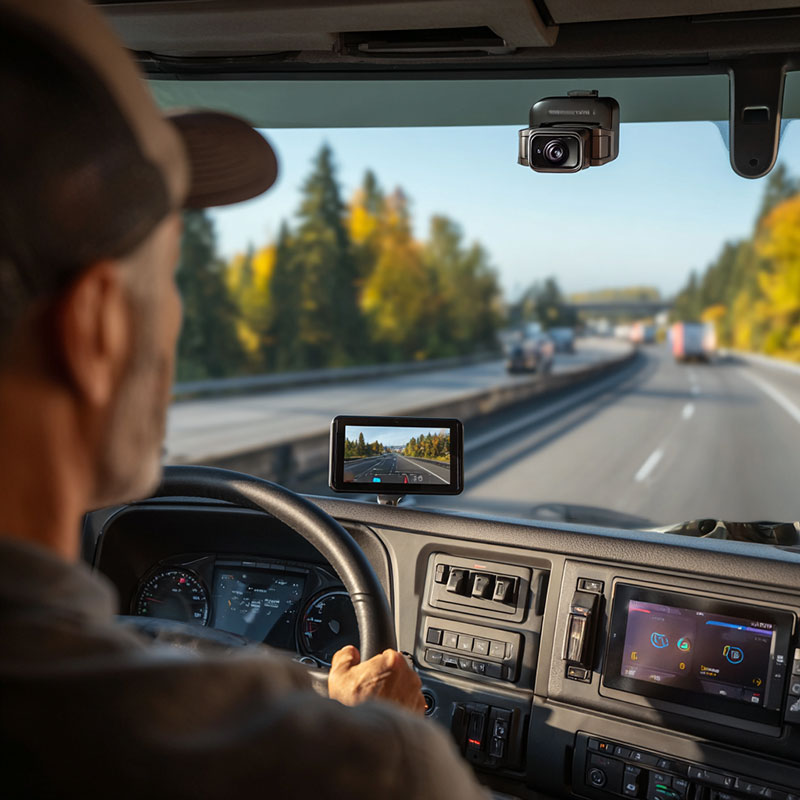
Dash cams have become essential tools in modern trucking. Once used mainly to record accidents, they now serve a much broader purpose.
Today’s systems help improve driver safety, reduce insurance costs, and support regulatory compliance. Powered by AI, many dash cams now offer real-time alerts and performance feedback.
The shift is clear: Dash cams no longer just monitor ¾ they coach, protect, and empower drivers.
The Surveillance Era: Recording for Liability
What Were Dash Cams Originally Designed For?
Early dash cams were built for one reason: evidence after an incident.
They helped fleets prove fault in accidents and defend against false insurance claims.
These systems only recorded what happened ¾ not why. And they offered little to no benefit for drivers.
Limitations of Early Dash Cam Systems
The biggest drawback? No real-time feedback.
They couldn’t warn drivers or help prevent incidents. They also weren’t connected to telematics systems, making them standalone, reactive tools instead of proactive safety assets.
The Telematics Shift: Integrating Data with Video
What Is Video Telematics?
Video telematics combines dash cam footage with vehicle data, like speed, braking, GPS location, and more.
This pairing gives context to what’s happening on the road, helping fleets understand not just what happened, but why.
It turns raw footage into actionable insights.
Benefits of Dash Cams to Fleet Managers
With video and data working together, fleet managers gain real-time visibility into driver behavior.
This allows for:
- Faster claim resolution
- Early identification of risky patterns
- Better training decisions
It marked a big shift ¾ from using video after a problem, to using it to help prevent one.
The Coaching Revolution: Real-Time Driver Improvement
How AI Transformed Dash Cams into Coaching Tools
AI-powered dash cams changed everything. They now detect behaviors like distracted driving, tailgating, and hard braking in real time.
Instead of just recording mistakes, they give drivers instant alerts and post-trip feedback to improve performance. Dash cams became co-pilots, not just cameras.
Driver Perception and Acceptance
At first, many drivers saw dash cams as surveillance. But as coaching tools improved, attitudes began to shift. Drivers started to see the value: fewer accidents, better scores, and safer roads. Some fleets even tie camera feedback to bonuses and incentives, turning safety into a win-win.
The Role of Compliance and Safety Regulations
Dash cam adoption in trucking isn’t just driven by technology ¾ it’s also shaped by regulatory demands and insurance incentives.
FMCSA Regulations and Dash Cam Use
The Federal Motor Carrier Safety Administration (FMCSA) sets strict standards for commercial fleets, especially around Hours of Service (HoS), driver behavior, and incident reporting.
While dash cams aren’t currently mandated, they support compliance by providing clear, timestamped video evidence that aligns with ELD logs and driver activity reports.
Footage can verify what really happened in safety audits or investigations, helping fleets avoid penalties and demonstrate due diligence.
Insurance Requirements and Risk Reduction
Insurers are also influencing the shift. Many now offer premium discounts or faster claim processing for fleets using video telematics.
Why? Because video proves fault quickly, reduces fraud, and helps identify high-risk driving patterns before they lead to costly accidents.
Dash cams also assist in documenting non-collision events like cargo damage or unsafe loading practices, which can otherwise be hard to prove.
The Compliance-Safety Loop
What’s emerging is a loop¾ regulations push safety, safety drives technology adoption, and smart technology helps fleets stay compliant.
Dash cams have become a critical part of this loop giving fleets the tools to meet regulatory expectations while genuinely protecting drivers and assets.
What to Look for in a Modern Dash Cam System
Not all dash cams are created equal. Fleets shopping for new systems should look for:
- Dual-facing cameras (road + driver)
- AI-powered event detection
- Real-time alerts and coaching
- Cloud-based storage and mobile access
- Integration with existing fleet platforms
These features ensure that dash cams are more than just recorders ¾ they become active safety partners.
Looking Ahead: The Future of Dash Cams in Trucking
Dash cam technology is still evolving ¾ and fast. The next wave goes beyond safety to deliver predictive insights, smarter automation, and deep learning integration.
Predictive Coaching and Safety Analytics
The future of dash cams lies in anticipating risk before it happens.
With machine learning, systems can analyze patterns across drivers, vehicles, and conditions to forecast high-risk behavior. Instead of reacting to events, fleets can intervene before an accident occurs.
Some systems already adjust coaching based on individual performance trends, tailoring feedback to each driver’s habits.
Integration with Advanced Driver Assistance and Autonomous Tech
Dash cams are also becoming key players in autonomous trucking and ADAS (Advanced Driver Assistance Systems).
They serve as additional “eyes” on the road by feeding visual data into systems that control lane-keeping, emergency braking, and collision avoidance.
In semi-autonomous fleets, dash cams may soon act as training tools for AI models, helping self-driving trucks learn from real-world human driving behavior.
FAQ
Are dash cams required for commercial trucks?
No, dash cams aren’t federally required, but they are highly recommended for safety, compliance, and insurance purposes.
Do dash truck cams record all the time?
Most dash cams use event-based recording or loop recording. Some models record continuously, while others only activate during incidents or risky behavior.
Can truck drivers turn off dash cams?
That depends on the system. In most commercial setups, cameras are locked and controlled by fleet managers to maintain data integrity and compliance.
How do dash cams protect drivers?
They provide objective video evidence during claims, prevent false accusations, and can coach drivers in real time to avoid risky behavior.
Related Posts

“Should I Be A Truck Driver?” Decide if Driving is the Right Career for You
December 23, 2022
Do Your Research! Since you probably won’t have an opportunity for experiential learning before going out on the road
Read More
5 Safe Driving Tips for Bad Weather
Whether you are driving a car, a motorcycle, or an 18-wheeler, one of the scariest situations is driving during
Read More
Hitting the Road: Embracing the Adventure as an Over-the-Road Truck Driver
May 15, 2023
Welcome, future road warriors! Are you ready to take on the open road and embark on an exciting new
Read More